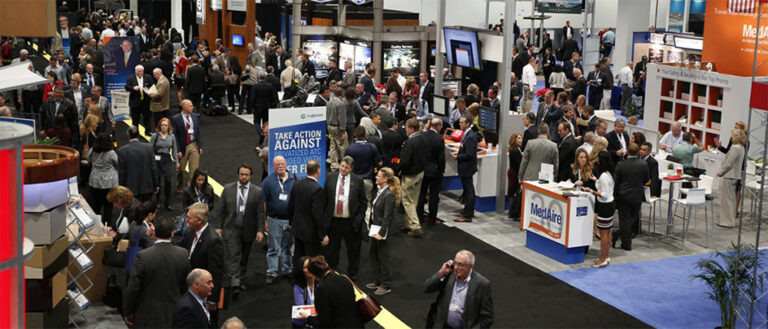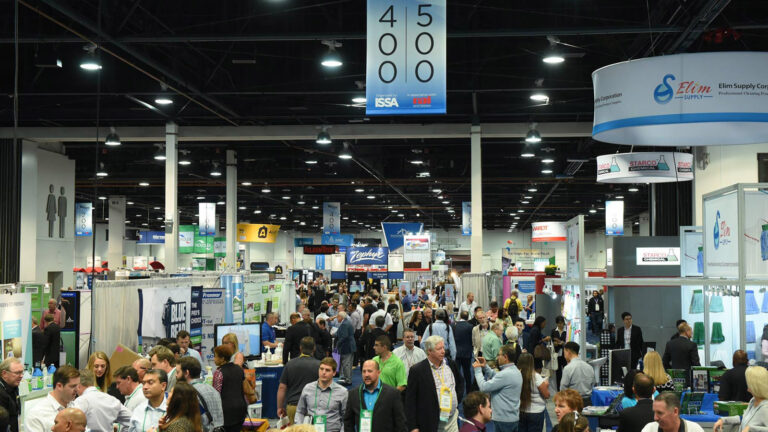
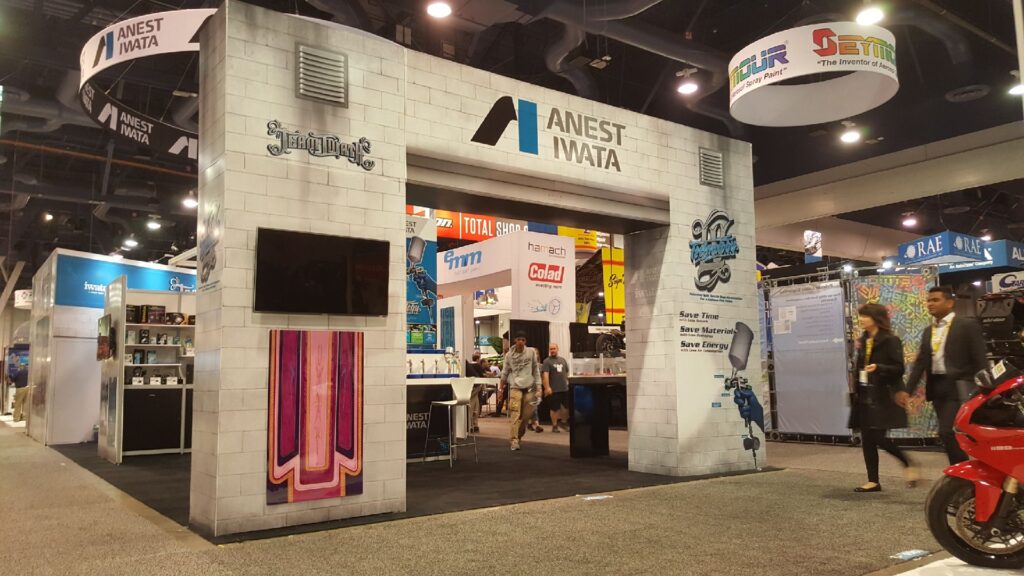
The SEMA Show is the largest annual trade show in Las Vegas by economic impact, and for automotive aftermarket brands, it’s the most concentrated gathering of buyers, builders, and decision-makers in the industry. The 2026 show runs November 3–6 at the Las Vegas Convention Center, with 150,000+ industry professionals and more than 2,300 exhibiting brands expected across 1.2 million net square feet of exhibit space.
For companies planning their booth presence, the decisions you make now (booth type, size, design approach, and build partner) will determine whether you walk away with a full lead pipeline or a forgettable show. At Xibit Solutions, we’ve built and installed exhibits at SEMA for years. This guide covers what exhibitors need to know to make smart choices for 2026.
Key Dates and Logistics for SEMA 2026
Before getting into booth strategy, the basics:
- Show dates: November 3–6, 2026
- Venue: Las Vegas Convention Center, 3150 Paradise Road, Las Vegas, NV 89109
- Show hours: 9:00 AM–5:00 PM Tuesday–Thursday; 9:00 AM–4:00 PM Friday
- Public day: Friday, November 6 is open to consumers via separate ticket purchase
- Attendee registration opens: May 4, 2026
- Exhibitor Service Manual goes live: May 4, 2026
- Exhibitor Summit: June 10–11, 2026 at LVCC South Hall Skybridge
The Exhibitor Summit is worth noting. It’s a two-day workshop on maximizing show ROI and one of the better opportunities to ask questions, understand floor logistics, and plan your installation before the pressure is on.
Why SEMA Is Worth the Investment
The numbers make a strong case. According to SEMA’s 2025 Market Report, U.S. consumers spent approximately $52.65 billion accessorizing and modifying their vehicles in 2024, with the industry supporting 1.3 million American jobs. The broader U.S. light-duty aftermarket hit $413.7 billion in 2024 and is projected to reach $435 billion in 2025, according to a joint forecast from the Auto Care Association, MEMA, and S&P Global.
At the show level, the audience quality is hard to match. Roughly 70% of SEMA attendees hold senior leadership or decision-making roles. CEIR and Exhibit Surveys data shows 81% of trade show attendees have direct purchasing authority, and 67% represent completely new prospects, people companies have never previously reached.
The ROI math is compelling. CEIR’s 2024 research shows exhibitors generate approximately $20.98 for every $1 invested in trade show marketing. The average cost per lead at a trade show is $112, compared to $259 for a traditional field sales call.
SEMA 2025 drew approximately 153,000 attendees from 140 countries, with 2,300+ exhibiting brands and more than 500 first-timers. As SEMA Vice President of Events Tom Gattuso put it: attendees aren’t passive scrollers. They’re industry buyers, builders, and business owners who live and breathe automotive culture.
Booth Space Pricing at SEMA 2026
According to the official SEMA Show exhibitor page, booth space is priced per net square foot with meaningful savings for association members. The minimum booth size is 100 net square feet (10×10). Island and peninsula configurations carry additional surcharges.
| Configuration | SEMA/TIA Members | Non-Members | Surcharge |
| Linear (inline) | $24.95/sq ft | $39.95/sq ft | None |
| Peninsula (20×20 min) | $24.95/sq ft | $39.95/sq ft | +$1,500 |
| Island (20×20 min) | $24.95/sq ft | $39.95/sq ft | +$4,500 |
A 20×20 island booth at member rates costs roughly $9,980 for floor space (400 sq ft x $24.95), plus the $4,500 island surcharge, not including booth build, services, or logistics. Non-member pricing for the same space runs approximately $15,980 for floor space plus the surcharge.
All exhibitors receive complimentary material handling up to 500 lbs (for booths under 800 sq ft), one free New Products Showcase entry, and directory and app listings.
One thing most exhibitors underestimate: total exhibiting costs typically run 3–5x the cost of floor space alone. Hidden costs like drayage, utilities, electrical, furniture, and A/V can add 30–50% to your initial estimates. Most exhibitors underestimate total costs by 20% or more, which is one reason working with an experienced exhibit partner from the start pays off.
How the SEMA Show Floor Is Organized
SEMA spans 12+ product sections across multiple halls. Where your booth lands matters for strategy:
- West Hall: Trucks, SUVs & Off-Road; Restyling & Car Care
- Central Hall: Racing & Performance, Powersports, Hot Rod Alley, Restoration Marketplace
- South Hall: Tools & Equipment, Collision Repair, Global Tire Expo
- North Hall: First-time exhibitors, business services, mobile electronics
The product-based segmentation works in exhibitors’ favor. Your neighbors are relevant, and the attendees walking your aisle are already in the right mindset for what you sell.
Custom vs. Modular vs. Rental: Choosing the Right Booth for SEMA
This is one of the most consequential decisions you’ll make for SEMA 2026. The right answer depends on how often you exhibit, your budget, and how critical visual differentiation is at this particular show.
| Booth Type | Cost Per Sq Ft | Best For | SEMA Suitability |
| Custom-built | $125–$325+ | Established brands, 3+ shows/year | Excellent (highest impact) |
| Modular | $75–$225 | Multi-show exhibitors, evolving brands | Very good (flexible and professional) |
| Rental | $55–$150 | First-time exhibitors, 1–3 shows/year | Good for entry-level presence |
| Portable/pop-up | Under $75 | Small events, minimal budgets | Insufficient for SEMA’s scale |
Custom-Built Booths
Custom builds offer complete design freedom: unique architectural elements, immersive multi-zone environments, and finishes that precisely express your brand identity. At SEMA, where 2,300+ brands are competing for the same eyeballs, that freedom matters.
The tradeoff is upfront investment and lead time. Custom fabrication requires planning months in advance, and you’ll carry ongoing storage costs ($200–$500/month) between shows. For established brands attending three or more shows per year, the per-show cost amortizes quickly.
Our custom trade show booth design process starts with an in-depth consultation, moves through 3D renderings and detailed floor plans, and ends with in-house fabrication and on-site installation. Everything stays under one roof, so nothing gets lost between vendors.
Modular Booths
Modular systems use reconfigurable components (typically aluminum frames with interchangeable graphics and panels) that can adapt from a 10×10 inline at one show to a 20×20 island at another. Lighter weight also means lower shipping and drayage costs.
For brands with varying show schedules or messaging that evolves frequently, modular is a smart middle ground. The visual quality can come close to custom, and the flexibility is genuinely useful.
Rental Booths
Rental eliminates storage, maintenance, and depreciation concerns, and typically saves 40–60% compared to a custom build for the first exhibit. A well-designed trade show booth rental doesn’t have to look like a rental. Attendees won’t know the difference if the graphics are done right.
A 10×10 inline rental typically runs $12,000–$15,000 all-inclusive. A 20×20 island rental ranges from $20,600–$35,000, depending on design complexity and included features.
For first-time SEMA exhibitors or brands testing a new market, rental is often the right starting point. Tyler Green, Founder and CEO of Cache Inc., described his company’s first SEMA experience after years of deliberating: surrounded by large brands and with no preconceived expectations, they were shocked by the quality of traffic they generated.
At SEMA specifically, custom and custom-modular hybrid booths dominate among major exhibitors. The show’s format (vehicle centerpieces, multi-zone layouts, island configurations) rewards the extra investment. Linear booths are the most common configuration overall, but premium exhibitors overwhelmingly choose island setups of 20×20 or larger.
Design Trends Shaping SEMA Booths in 2026
The most effective SEMA booths in recent years share several design characteristics. These aren’t aesthetic preferences. They’re functional choices that drive traffic and engagement.
Vehicle Displays as the Centerpiece
SEMA featured over 1,400 display vehicles in 2024. Brands that showcase their products installed on a build vehicle convert foot traffic into tangible product interest far more effectively than parts-on-shelves displays. If your product can be shown installed on a vehicle, build that into your booth design from the start. It’s not something you retrofit effectively.
Technology Integration
LED video walls, touchscreen product configurators, and AR overlays have become standard expectations at SEMA, not novelties. SEMA’s own FutureTech Studio expanded to 45+ interactive exhibits in 2025, signaling where the show’s culture is heading. Brands that skip interactive elements risk standing out for the wrong reasons.
Open Multi-Zone Layouts
Enclosed booth configurations underperform at high-traffic shows like SEMA. The most effective island booths combine open perimeter access (to handle volume foot traffic) with distinct zones: a demo area, a product showcase, and a semi-private meeting space for serious buyer conversations. This keeps the booth welcoming without feeling chaotic.
Hanging Signs and Height
In a venue spanning 1.2 million square feet, hanging signs are wayfinding tools, not decorations. Island booths at LVCC can reach 16 feet in most halls. A well-executed hanging sign visible from 100+ feet away is one of the highest-ROI investments in your booth design. It drives foot traffic before anyone reads a single word of your messaging.
Sustainability
Freeman’s research points to a 50% rise in the use of eco-friendly materials in booth designs in recent years. Recycled aluminum, bamboo, and reusable modular structures are increasingly common, and they resonate with buyers who factor sustainability into their purchasing criteria. Reusable components also reduce long-term costs.
How Exhibitors Budget for SEMA
CEIR’s research on how the typical exhibit dollar is spent shows a consistent pattern across the industry:
| Budget Category | Share of Total |
| Exhibit space rental | 36% |
| Show services (I&D, electrical, A/V, furnishings) | 17% |
| Travel and entertainment | 14% |
| Exhibit design and construction | 11% |
| Shipping and drayage | 10% |
| Promotion and marketing | 6% |
| Lead management | 4% |
| Staff training | 1% |
Booth design is just 11% of the total budget but has an outsized impact on traffic, lead quality, and brand perception. That’s an argument for investing strategically in design rather than treating it as the obvious place to cut.
For SEMA specifically, think carefully about hidden costs. Drayage at major Las Vegas shows adds up faster than most exhibitors expect, and on-site labor rates for move-in and teardown vary by union jurisdiction. Working with a Las Vegas-based exhibit company that has established relationships with approved union labor removes a layer of uncertainty and often reduces total cost.
Planning Timeline for SEMA 2026
The earlier you start, the better your options:
- Now–Spring 2026: Secure exhibit space, define booth strategy, begin design conversations
- May 4, 2026: Attendee registration opens; Exhibitor Service Manual goes live
- June 10–11, 2026: SEMA Exhibitor Summit at LVCC
- Summer 2026: Finalize design, begin fabrication for custom builds
- Fall 2026: Graphics production, shipping coordination, installation scheduling
- Late October/Early November 2026: Move-in and installation
For rental booths, lead times are more flexible, though for a show of SEMA’s scale, reaching out at least 60–90 days before move-in is advisable to get the design right.
Frequently Asked Questions About SEMA 2026 Booth Planning
How much does a SEMA Show booth cost in total?
For 2026, a 20×20 island booth at member rates costs roughly $9,980 for floor space plus the $4,500 island surcharge, for a total of approximately $14,480 before any build, services, or logistics. Total exhibiting costs (booth build, services, logistics, and travel included) typically run 3–5x the cost of floor space, putting a mid-sized island presence in the $45,000–$75,000+ range. Large custom builds can reach $200,000+.
What is the minimum booth size at SEMA?
The minimum is 100 net square feet, equivalent to a standard 10×10 inline booth.
When does exhibit space go on sale for SEMA 2026?
Space is already on sale for 2026. The Exhibitor Service Manual goes live on May 4, 2026, and the full floorplan is expected in Spring 2026.
Is SEMA open to the public?
SEMA is primarily a trade-only event, but Friday, November 6, 2026 is open to the public via separate ticket purchase, giving exhibitors an additional consumer-facing day on top of the four-day trade show.
When should I start planning my SEMA 2026 booth?
For custom builds, 6+ months before the show is ideal. For modular or rental, 60–90 days minimum is advisable, though starting earlier gives you better options on design, space selection, and logistics.
Getting Your Booth Right for SEMA 2026
At SEMA, booth impressions form fast. In a venue with 2,300+ competitors, a booth that blends in might as well not be there.
The exhibitors who do well at SEMA treat their booth as a revenue-generating asset rather than a cost to minimize. With an audience where 81% hold purchasing authority and 67% are new prospects, a well-designed booth puts you in front of qualified buyers who can’t be reached any other way.
If you’re planning your presence at SEMA 2026 and want to talk through booth options, design approach, or what’s worked at the show, we’d be glad to walk through it with you. Contact Xibit Solutions for a free consultation. We’re Las Vegas-based, SEMA-experienced, and we build everything in-house.