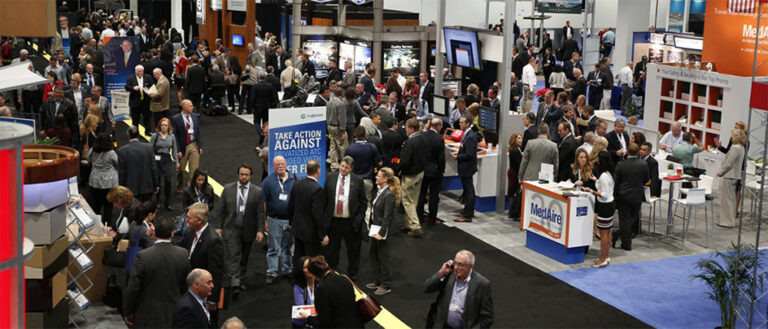
MAGIC Las Vegas is one of the largest fashion trade shows in the world, drawing roughly 70,000 attendees and 4,000 exhibitors from over 120 countries each year. What makes MAGIC unique is its audience composition: approximately 85% of the show floor comprises buying power, and more than half of attendees are top decision-makers. For fashion brands, that means your booth needs to work as both a brand statement and a selling floor. At Xibit Solutions, we’ve built booths at MAGIC for over 20 years, including a 10×20 Elle Jewelry display that won Best of Show at WWD MAGIC. This guide covers what you need to know to plan, design, and execute a booth that works at MAGIC.
What Makes MAGIC Different for Fashion Brands
Most trade shows attract a mix of buyers, media, and casual attendees. MAGIC skews heavily toward qualified buyers who are there to place orders. The show runs twice per year (February and August) at the Las Vegas Convention Center, and it’s trade-only, meaning every person on the floor is a verified industry professional.
This buyer-heavy environment changes how you should approach booth design. Your layout needs to accommodate browsing, ordering, and private conversations. Your graphics need to communicate your brand aesthetic quickly, since buyers are evaluating dozens of brands in a single day. And your merchandising needs to let buyers touch, see, and evaluate your product line with minimal friction.
MAGIC also runs alongside PROJECT (menswear), SOURCING, and OFFPRICE under the same roof, which means foot traffic is high and competition for attention is fierce.
Booth Sizes and Layout Options at MAGIC
Booths at MAGIC range from compact 10×10 inlines to large custom islands. The size you choose should reflect your product line, budget, and how you plan to use the space. Here’s a comparison:
| Booth Size | Type | Best For | Key Features |
|---|---|---|---|
| 10×10 | Inline | First-time exhibitors or niche brands | Entry-level cost, focused product display, single-aisle access |
| 10×20 | Inline | Brands needing room for storytelling | Space for a demo area or small meeting nook behind a display wall |
| 20×20 | Island | Established brands maximizing buyer traffic | 360° access, multiple display zones, room for a lounge or meeting area, overhead signage |
| 20×30+ | Custom Island | Immersive brand environments | VIP lounges, runway stages, private meeting rooms, double-deck structures |
Island booths (open on all sides) allow the largest footprints and the most design freedom, while inline booths (backed against a wall, open to one aisle) are more common and budget-friendly. Peninsula booths, open on three sides, fall in between.
For first-time MAGIC exhibitors, a 10×10 or 10×20 inline is a practical starting point. It keeps costs manageable while still giving you enough room to display your collection effectively.
MAGIC Booth Construction Rules
MAGIC is a “hard wall” show. Pipe-and-drape (the curtain dividers common at smaller events) is not allowed. Every inline booth must have a constructed back wall at least 10 feet wide, with matching sidewalls. If your walls exceed 8 feet in height and face a neighboring booth, they must be finished on both sides.
A few other construction details to keep in mind:
- Hanging signs and double-deck structures require advance approval from show management
- Standard booth height is typically 8 to 10 feet, though island and peninsula booths can be built up to around 16 feet
- All materials must meet venue’s fire code and safety requirements
- Always check the current exhibitor manual for the latest rules, since they can change between shows
These construction requirements are one reason many fashion brands work with an exhibit partner rather than attempting a DIY setup. Getting the hard wall build right while meeting all show regulations takes planning.
Booth Design Elements That Work at Fashion Shows
MAGIC is a visually driven marketplace. Buyers are evaluating brands partly on aesthetics, which means your booth design is an extension of your brand identity.
Graphics and Branding
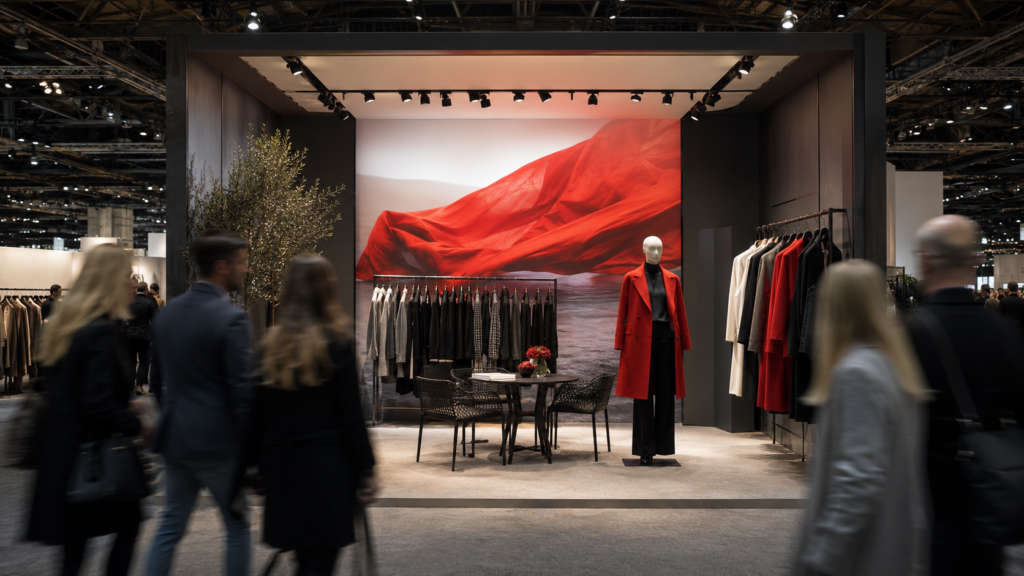
Large-format backwall graphics are the most visible element of any MAGIC booth. These should showcase your brand logo, seasonal campaign imagery, or hero product shots. Colors should match your brand palette exactly, and any text should be readable from the aisle (at least 15 to 20 feet away).
Tension fabric lightboxes are especially effective in fashion booths because they create smooth, wrinkle-free graphic surfaces with internal illumination. The result is vibrant, glowing imagery that draws attention even in a crowded hall. For brands with a strong visual identity, a well-executed backwall can stop buyers mid-stride.
We produce all booth graphics in-house at our North Las Vegas facility, which means we can color-match precisely and turn around updates quickly, even mid-show if something needs replacing.
Product Display and Merchandising
At a fashion show, merchandising is the centerpiece. Your booth should allow buyers to browse your collection the way they would in a showroom. A few guidelines:
- Keep fixtures clean and uncluttered so the product is the focus
- Use mannequins or styled displays to show how pieces look when worn
- Position racks and display tables so buyers can move through the space without bottlenecks
- Leave room for try-on areas or mirrors if your booth size allows it
- Showcase lookbooks and product racks front-and-center so buyers can immediately grasp your aesthetic
Lighting
Lighting is one of the most underrated elements in fashion booth design. Well-placed spotlights highlight featured products, while ambient LEDs set the mood and make the overall space feel polished. Consider overhead lighting (if your booth configuration allows it) and accent lights aimed at hero displays.
The right lighting setup can make a 10×10 inline feel twice as inviting, and it photographs well for social media coverage during the show.
Interactive and Digital Elements
Fashion booths increasingly use digital touchpoints to keep buyers engaged. Tablets loaded with digital lookbooks, video walls showing runway footage, and live social media feeds are all common at MAGIC.
Some brands get more creative. At a past MAGIC show, Swarovski incorporated iPad “dress-up” games that let visitors virtually style outfits with the brand’s crystals. QR codes on signage can link to catalogs, wholesale portals, or social channels.
The key is making interactive elements serve a purpose. If a tablet helps a buyer browse your full line when only a fraction is on display, that’s useful. If it’s just a screen playing a loop, it’s taking up space.
Themed and Immersive Booth Ideas for Fashion Brands
Some of the most memorable MAGIC booths go beyond standard displays and create full environments that reinforce the brand story.
In 2011, Desigual hosted Cirque du Soleil performers on their booth stage, drawing major crowds and media coverage. A swimwear brand once built an indoor beach scene complete with a white cabana structure and blue lounge furniture, creating a boardwalk runway effect. Wellness and lifestyle brands have set up “zen lounges” with natural-wood furniture, plants, and even massage chairs to give buyers a relaxing break while reinforcing the brand’s identity.
These immersive setups work because they create an experience that buyers remember long after the show ends. You don’t need a Cirque du Soleil budget to pull off something effective. Even small touches, like themed furniture, curated music, or product-matched color schemes throughout the space, can create a cohesive environment that makes your booth feel like a destination rather than a stop. For more inspiration, browse our trade show display gallery to see how different booth sizes and layouts come together.
How Much Does It Cost to Exhibit at MAGIC Las Vegas?
Trade show budgets add up fast. Here’s a general breakdown of what fashion brands should expect to spend for a mid-sized booth at MAGIC:
| Expense Category | Estimated Range |
|---|---|
| Booth space rental | $3,000 to $15,000+ |
| Custom booth design and build | $8,000 to $20,000+ |
| Shipping and drayage | $1,500 to $3,000 |
| Travel and lodging (team) | $3,000 to $8,000 |
| Utilities (electric, internet) | $800 to $1,500 |
| Union labor (install and teardown) | $500 to $1,200+ |
| Furniture, signage, collateral | Varies |
| Total estimate | $20,000 to $60,000+ |
These figures will vary based on booth size, location on the show floor, and how custom your build is. Brands with larger island booths and fully immersive environments can easily exceed $60,000.
One way to manage costs is to rent a booth rather than purchasing one outright. Rental booths can be fully customized with your branding and graphics, and they eliminate the ongoing costs of storage and maintenance between shows. For brands that attend MAGIC once or twice a year, or those testing a new market, rentals often make more financial sense. If you’re attending the same shows regularly with a stable design, purchasing may be the better long-term investment.
Logistics and Labor at Las Vegas Convention Centers
The logistics side of exhibiting at MAGIC catches many first-time exhibitors off guard.
Union labor is mandatory. Las Vegas convention centers require union labor for booth installation and teardown. You cannot install your own booth. Standard labor charges for setup and dismantling typically run $500 to $1,200 or more, with overtime and special handling increasing the cost. Working with an exhibit partner who has existing union labor contracts can simplify this process significantly and help avoid compliance issues.
Shipping and drayage require advance planning. Booth materials need to be shipped to the venue’s advance warehouse by specific deadlines. Drayage (the cost of moving your materials from the loading dock to your booth space) is handled through the show’s official contractor. Late shipments can result in penalties or delayed setup.
Coordination with show management is part of the job. Exhibitor service kits, electrical orders, rigging requests, and internet connectivity all need to be submitted ahead of time. Missing a deadline can mean paying rush fees or going without a service you need.
For international brands exhibiting in the U.S. for the first time, there are additional considerations around customs clearance, temporary import bonds, and compliance with venue regulations. We work with international clients regularly and have multilingual consultants on staff to help navigate these requirements.
How to Engage Buyers at Your MAGIC Booth
A great-looking booth is only part of the equation. Since MAGIC is a buyer-driven show, your booth needs to function as a selling environment.
Pre-schedule meetings. MAGIC provides exhibitor tools and attendee lists to help you book one-on-one appointments with key buyers before the show opens. The brands that get the most out of MAGIC are the ones that have a full meeting calendar before they even arrive.
Equip your team with order tools. Buyers at MAGIC are ready to place orders on the spot. Make sure your staff has tablet catalogs, line sheets, order forms, and a way to process transactions. A CRM-based lead capture system helps you follow up after the show.
Merchandise for quick evaluation. Buyers are walking the floor and evaluating dozens of brands in a day. Your collection should be arranged so they can understand your brand aesthetic within the first few seconds of walking into the booth. Strong visual merchandising and organized product groupings make that possible.
Plan your follow-up before the show starts. The real work begins after MAGIC ends. Have a system in place for following up with leads, sending catalogs, and processing orders within the first week after the show.
Start Planning Your MAGIC Las Vegas Booth
Whether you’re exhibiting at MAGIC for the first time or looking to upgrade your presence for the next show, the planning process should start months in advance. Booth space, hotels, graphics, and construction all have long lead times, especially for the Las Vegas dates.
At Xibit Solutions, we handle every step of the exhibit process, from initial design concepts and 3D renderings to fabrication, graphics production, shipping, union labor coordination, and on-site installation. Our production facility is in North Las Vegas, which gives us a local advantage for MAGIC shows and the ability to respond quickly if anything needs adjusting before or during the event.
Request a free estimate to get started on your MAGIC Las Vegas booth.